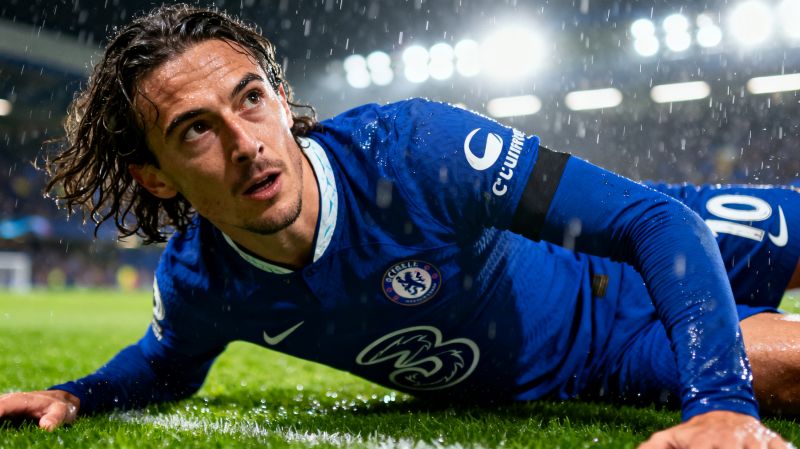
Zhou Haibin retired on a Tuesday. No press conference, no farewell speech—just a brief notice on the club's website. For a player who spent fourteen seasons anchoring the midfield, the silence felt almost jarring. I remember watching him in 2016, a rain-soaked match where he covered every blade of grass, breaking up plays with a kind of stubborn elegance. That was Zhou: never the loudest。always the most necessary.
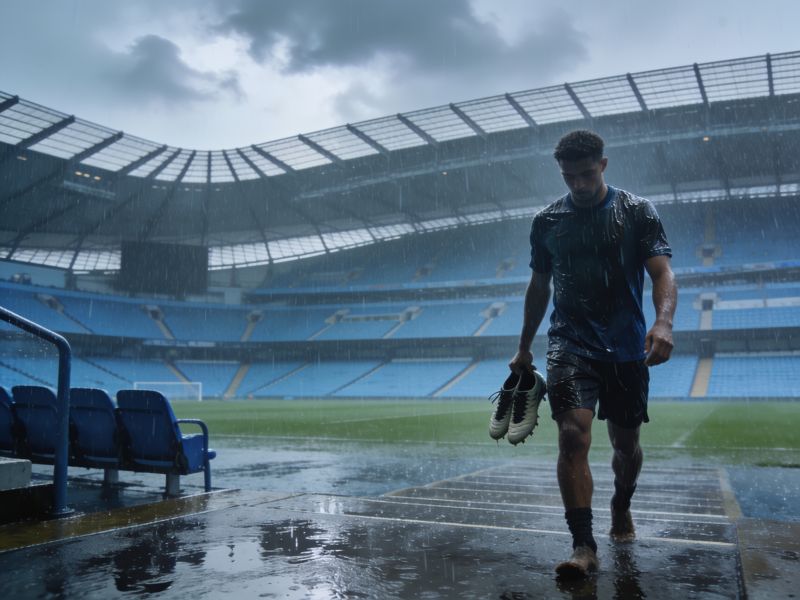
His career statistics don't jump off the page—twenty-three goals, forty-one assists in three hundred and twelve appearances. But numbers miss the point. Zhou Haibin retired as the last of a generation that treated defensive midfield as an art, not a chore. He read the game two passes ahead, positioning himself in the passing lane before the opponent even looked up. Coaches loved him. Fans sometimes forgot him. That's the paradox of the role.I spoke to a youth coach who worked with Zhou during his final two seasons. "He'd stay after training。doing these repetitive lateral shuffle drills," the coach told me. "Not for fitness. He said it kept his brain sharp—forced him to track small movements." That detail stuck with me. Zhou Haibin retired not because his legs went, but because his mind started calculating risk differently. At thirty-four, he told the club's medical staff he couldn't guarantee the same reaction times. He walked away before becoming a liability.What now?Zhou has hinted at a coaching badge, possibly working with academy players. The club hasn't confirmed anything. But here's my observation: players like Zhou rarely vanish from the game entirely. They resurface as the quiet fixers, the ones who teach young midfielders how to scan their shoulders. Zhou Haibin retired from playing, yet the habits he built—the late tackles。the simple passes, the stubborn refusal to panic—those don't retire. They linger in the corners of a training ground, waiting for someone to notice.